
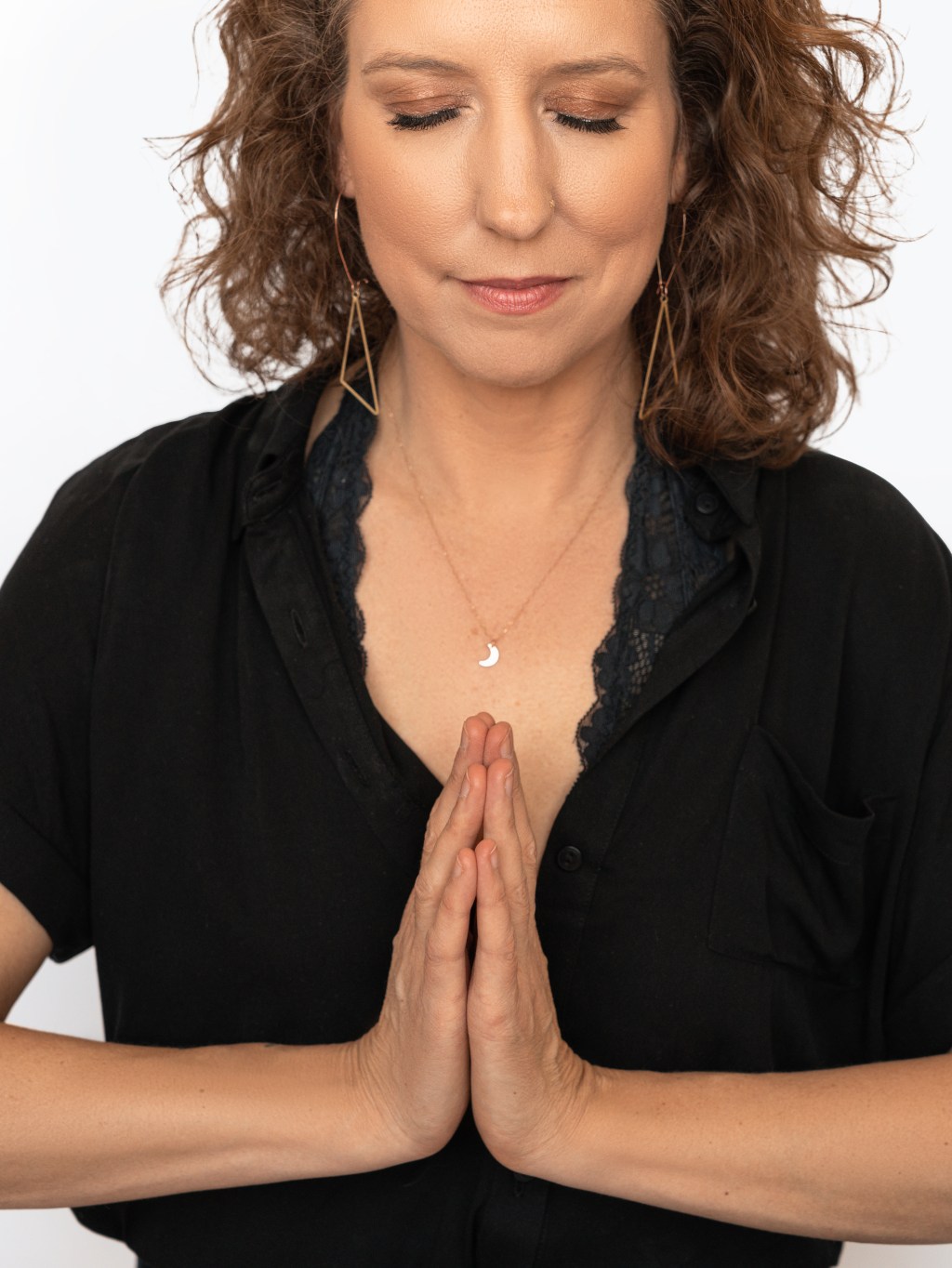
Yoga offers a holistic approach to health and wellness, addressing the physical, mental, and spiritual aspects of the individual. Yoga is not just a set of physical exercises; rather, it is a way of living. One of the most significant aspects of yoga is pranayama, the fourth limb or stage in the eight-fold path of yoga. Pranayama is a series of breathing techniques that control the flow of prana (life force) within the body. In this blog post, we will explore pranayama in detail and its significance in yoga practice.
The word pranayama is derived from two Sanskrit words, ‘prana’ and ‘ayama,’ which mean life force and extension, respectively. Pranayama involves the control of our breath to regulate the flow of life force in our body and expand our vital energy. It is a systematic and scientific technique used to control, conduct, and conquer the flow of life force in the body. In the Upanishads, pranayama is said to help cut through mountains of karma.
Before practicing pranayama, it is crucial to become a master of sitting postures or asanas. Asanas help us sit for extended periods without discomfort. The traditional Hatha yoga says there are 15 asanas for this purpose, while the Gheranda Samhita suggests 32 postures. A good sitting posture for pranayama requires a straight back, with the back of the head and neck in one line. The lumbar thoracic and neck portions of the spine and shoulders should be relaxed, with no strain in any part of the body. The posture should have no wrinkles on the forehead, and the face should have a slight smile. The hips should be above the knees, which provides more stability in sitting posture.
Practicing pranayama begins with diaphragmatic breathing or belly breathing, whereby the muscle below the lungs, known as the diaphragm, moves and allows for the expansion of the lungs. The flexibility of this muscle determines whether we experience comfort or pain when practicing pranayama. The way we breathe also has a connection to our emotions. For example, anger leads to fast breathing, sadness results in heavy breathing, anxiety causes shallow breathing, while love leads to slow, deep, and sweet breathing. Through pranayama, emotional toxins may be released, freeing us from negative emotions.
In practicing pranayama, there are various techniques to regulate the flow of breath. These techniques include Anulom Vilom (alternate nostril breathing), Kapalbhati (breath of fire), and Bhramari Pranayama (bee breath), among others. Anulom Vilom involves inhaling through one nostril and exhaling through the other, alternating the nostrils after each exhale. Kapalbhati involves short and powerful exhales and passive inhales while Bhramari pranayama involves deep breaths followed by careful exhalation and a humming sound.
Pranayama is an essential aspect of yoga and helps to regulate the flow of vital energy within the body. If practiced regularly, pranayama is known to provide numerous benefits, including stress reduction, increased lung capacity, and clarity of mind. Proper preparation of sitting postures, diaphragmatic breathing, and mastering the various techniques of pranayama is fundamental to getting the most out of this aspect of yoga. So, embrace pranayama, practice it regularly, and experience the transformative power of yoga.
OM Shanti
Michelle

