

”In the Tantric traditions, chakras (Skt. cakra) are focal points for meditation within the human body, visualized as structures of energy resembling discs or flowers at those points where a number of nāḍīs or meridians converge. They are conceptual structures yet are phenomenologically based, since they tend to be located where human beings experience emotional and/or spiritual energy, and since the form in which they are visualized reflects visionary experiences had by meditators.”
That being said, the Manas Chakra, often associated with the right side of the heart chakra, is a lesser-known energy center within the human subtle body that holds profound significance in spiritual and psychological realms. Positioned to the right of the heart chakra, it serves as a crucial link between the emotions of the heart and the discernment of the mind. While not as widely recognized as the primary chakras, the Manas Chakra plays a pivotal role in navigating the complexities of human consciousness and fostering inner harmony and clarity.
Location and Energetic Significance: The precise location of the Manas Chakra may vary among different esoteric traditions, but it is commonly situated to the right of the heart chakra, within the region of the chest or the upper torso. Energetically, the Manas Chakra is associated with qualities such as discernment, intuition, and higher cognitive functions. It serves as a focal point for integrating emotional intelligence with intellectual understanding, allowing us to make wise decisions and navigate life’s challenges with clarity and insight.
Activation and Balancing: Like other chakras, the Manas Chakra can be activated and balanced through various practices that focus on heart-centered awareness and mental clarity. Meditation, breathwork, visualization, and energy healing techniques can help to awaken the latent potential of the Manas Chakra and harmonize its energy flow. By directing our attention to the area to the right of the heart chakra and cultivating a sense of inner peace and discernment, we can strengthen the connection between the heart and the mind, fostering greater alignment and integration within the self.
Integration of Heart and Mind: The Manas Chakra serves as a bridge between the heart and the mind, facilitating the integration of emotional intelligence with intellectual discernment. When this energy center is activated and balanced, we can experience a profound sense of inner harmony and coherence, where our thoughts, feelings, and actions are in alignment with our highest values and aspirations. By nurturing the qualities of compassion, empathy, and wisdom associated with the Manas Chakra, we can cultivate deeper connections with ourselves and others, fostering a greater sense of well-being and fulfillment.
Accessing Higher States of Consciousness: As we awaken and activate the Manas Chakra, we open ourselves to the possibility of experiencing higher states of consciousness and expanded awareness. The Manas Chakra serves as a portal to the realm of intuitive knowing, where insights, revelations, and spiritual guidance can flow freely. By quieting the chatter of the ordinary mind and attuning ourselves to the subtle whispers of the higher self, we can access profound wisdom and clarity that transcends the limitations of intellect and logic.
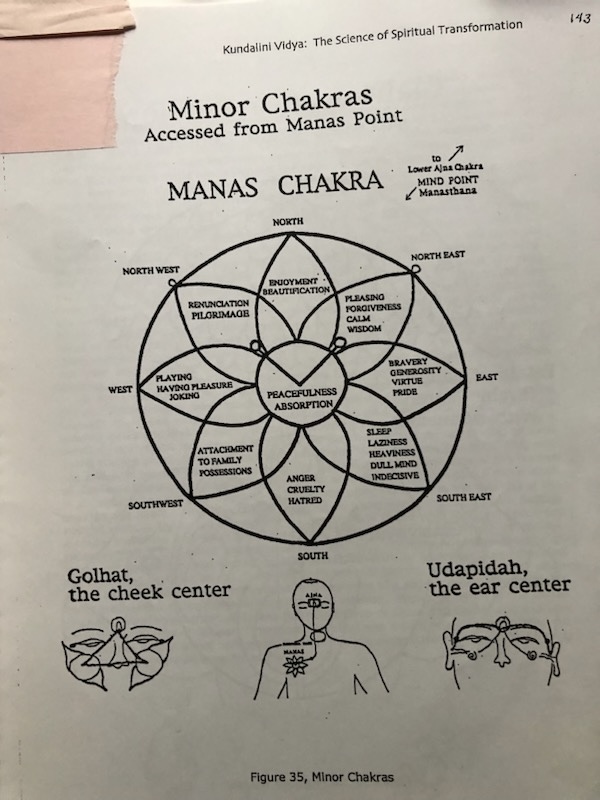
There are 8 petals of this chakra and they are all of a different colour. (Each chakra has its own colour scheme in this system-(let go of the idea of chakras being rainbows!). Each petal also has its own direction of the compass.
- North (Enjoyment and Beautification): This petal reminds us to find joy and beauty in our lives. It encourages us to seek pleasure and appreciation for the world around us. When balanced, this petal fosters a sense of contentment and fulfillment in our daily experiences.
- Northeast (Pleasing, Forgiveness, Calm, Wisdom): The northeast petal invites us to cultivate qualities such as forgiveness, calmness, and wisdom. It encourages us to let go of resentments and embrace a mindset of peace and understanding. When balanced, this petal fosters harmonious relationships and clarity of thought.
- East (Bravery, Generosity, Virtue, Pride): This petal embodies qualities of bravery, generosity, virtue, and pride. It encourages us to act with courage and integrity, sharing our gifts with others. When balanced, this petal inspires us to live authentically and stand up for what we believe in.
- Southeast (Sleep, Laziness, Heaviness, Dull Mind, Indecisive): The southeast petal reminds us of the importance of rest and rejuvenation. However, when imbalanced, it can manifest as laziness, heaviness, and indecision. By cultivating mindfulness and self-discipline, we can overcome inertia and regain clarity of mind.
- South (Anger, Cruelty, Hatred): This petal represents the shadow aspects of anger, cruelty, and hatred. It serves as a reminder to acknowledge and transform our negative emotions with compassion and understanding. When balanced, this petal fosters forgiveness and compassion towards ourselves and others.
- Southwest (Attachment to Family, Professions): The southwest petal highlights our attachments to family and professional roles. While family and work are important aspects of life, excessive attachment can lead to suffering and imbalance. By cultivating detachment and equanimity, we can find greater freedom and fulfillment.
- West (Playing, Pleasure, Joking): This petal encourages us to embrace playfulness, pleasure, and humor in our lives. It reminds us not to take ourselves too seriously and to find joy in simple pleasures. When balanced, this petal fosters a sense of lightness and spontaneity.
- Northwest (Renunciation, Pilgrimage): The northwest petal represents the journey of renunciation and pilgrimage. It invites us to let go of attachments and embark on a quest for spiritual truth and self-discovery. When balanced, this petal leads to inner freedom and liberation from worldly concerns.
Center of the Lotus (Peacefulness, Absorption, Hamsa): At the center of the lotus lies a state of peacefulness and absorption. It represents the ultimate goal of spiritual practice—to merge with the divine and experience oneness with all creation. The Hamsa mantra, often associated with the breath, serves as a reminder of our connection to the universal life force and the eternal journey of the soul.
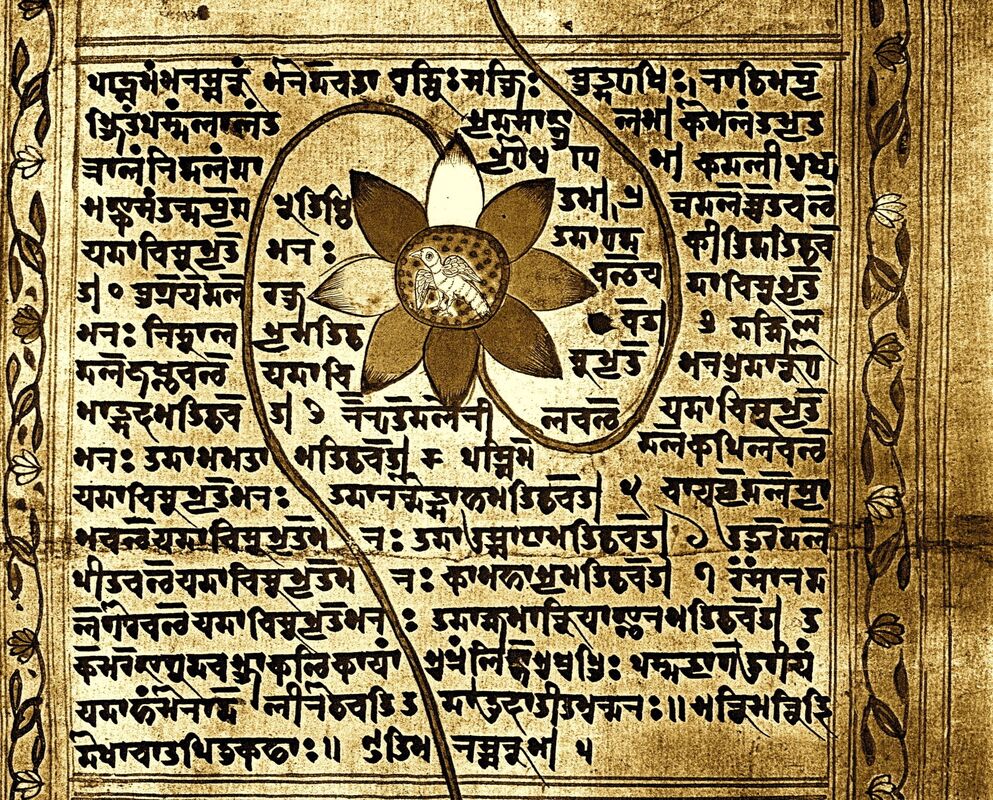
The best pranayama for this chakra is khumbaka pranayama.
The Manas Chakra holds the key to unlocking the vast reservoir of wisdom and insight that lies within each of us. By cultivating awareness of this subtle energy center and nurturing practices that activate and balance it, we can awaken to the boundless potential of the higher mind and embark on a journey of spiritual exploration and self-discovery. As we journey deeper into the realm of the Manas Chakra, may we embrace the clarity, intuition, and wisdom that flow from the depths of our being, guiding us on the path to greater understanding, fulfillment, and enlightenment.
In Gratitude,
Michelle
Thank you for taking the time to read my free content. I am available for Ayurvedic Consultations and Embodied Jyotish readings. I have courses available on Ayurvedic Cleansing at home as well as Reiki Certifications both online and in person Reiki Trainings.
***This content is free, and by using these links, You’ll be supporting my work & that means a whole lot to me. Please enjoy Banyan 15 % OFF Bonus: one time code ~ BERRY15

 Michelle Berry