
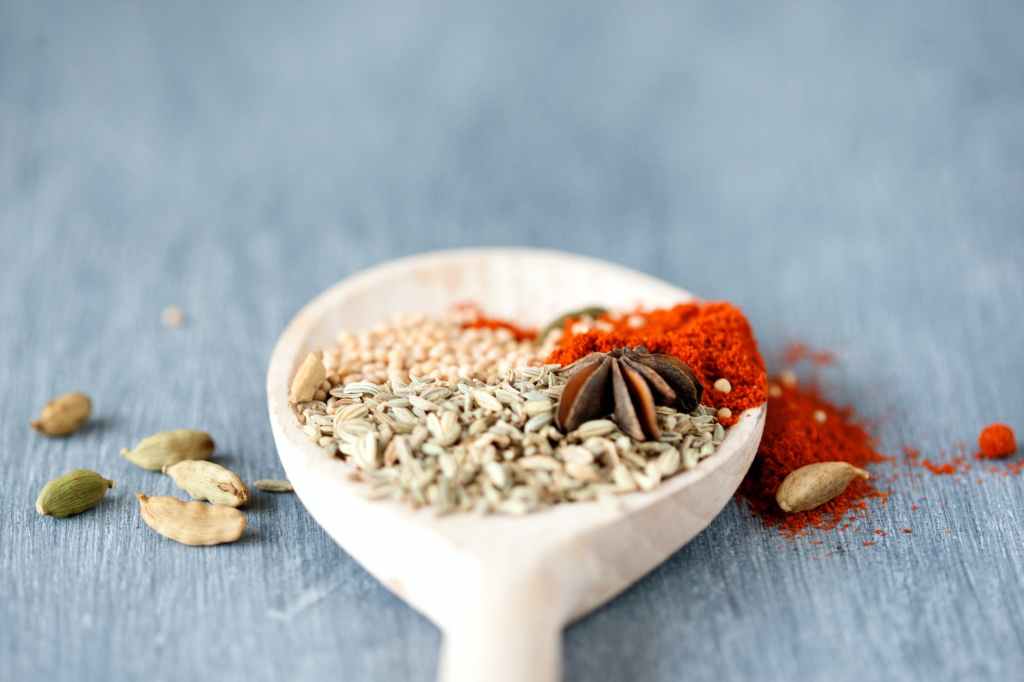
Have you heard of the six tastes of Ayurveda? This ancient Indian system of medicine and wellness teaches that all foods can be categorized into six tastes, each having a specific effect on our bodies and minds. By incorporating these tastes into our diet, we can not only satisfy our taste buds but also maintain a balanced and healthy lifestyle. In this blog post, we will explore each of the six tastes and how they contribute to our overall well-being.
Let’s start with sweet, the taste we all know and love. Sweet taste comes from natural sugars in fruits, vegetables, grains, and dairy products. It is nourishing, grounding, and has a calming effect on the body. However, too much sweet food can lead to weight gain, diabetes, and other health issues. Therefore, it is essential to choose natural sources of sweeteners over processed ones. Dates, maple syrup, and honey are some of the healthier options that can be used in moderation.
Next is salty taste, which is found in salt and salty foods like cheese, pickles, and seaweed. Salt enhances flavor, promotes digestion, and helps in the absorption of nutrients. However, an excess amount of sodium can raise blood pressure and cause water retention. Thus, it is important to limit the intake of salt and choose unrefined salt or sea salt instead of table salt.
Bitter taste, found in dark leafy greens, bitter melon, and coffee, is often avoided due to its unpleasant taste. But it is beneficial for our health as it stimulates digestion, detoxifies the body, and improves metabolism. It may also reduce cravings for sweet and salty foods. Therefore, it is advisable to incorporate bitter foods into your diet but in smaller quantities.
Astringent taste, found in green tea, pomegranate, and legumes, gives a dry, puckering sensation in the mouth. It has a toning and cooling effect on the body and helps in balancing excess moisture. However, it can cause dryness and constipation if consumed in excess.
Pungent taste, found in spices like ginger, garlic, and chili peppers, has a heating effect on the body, promotes digestion, and increases metabolism. It also has antiseptic and anti-inflammatory properties, making it useful in treating coughs and colds. But excessive consumption of pungent foods can cause heartburn, acidity, and inflammation in the body. Thus, it is important to use pungent spices in moderation and with caution.
Lastly, sour taste, found in citrus fruits, yogurt, and vinegar, has a refreshing and cooling effect on the body. It improves digestion, boosts immunity, and balances the pH level of the body. But it can also cause acidity and inflammation if consumed in excess. Therefore, it is essential to choose natural and fresh sources of sour taste and consume them in moderation.
The six tastes of Ayurveda provide a holistic approach to healthy eating. Incorporating a variety of tastes in our diet not only satisfies our taste buds but also supports our physical and mental well-being. I hope that this blog post has given you a better understanding of the six tastes and how they can contribute to a balanced diet. So let’s start exploring and celebrating the flavors of life!
With Munay,
Michelle

 Michelle Berry