
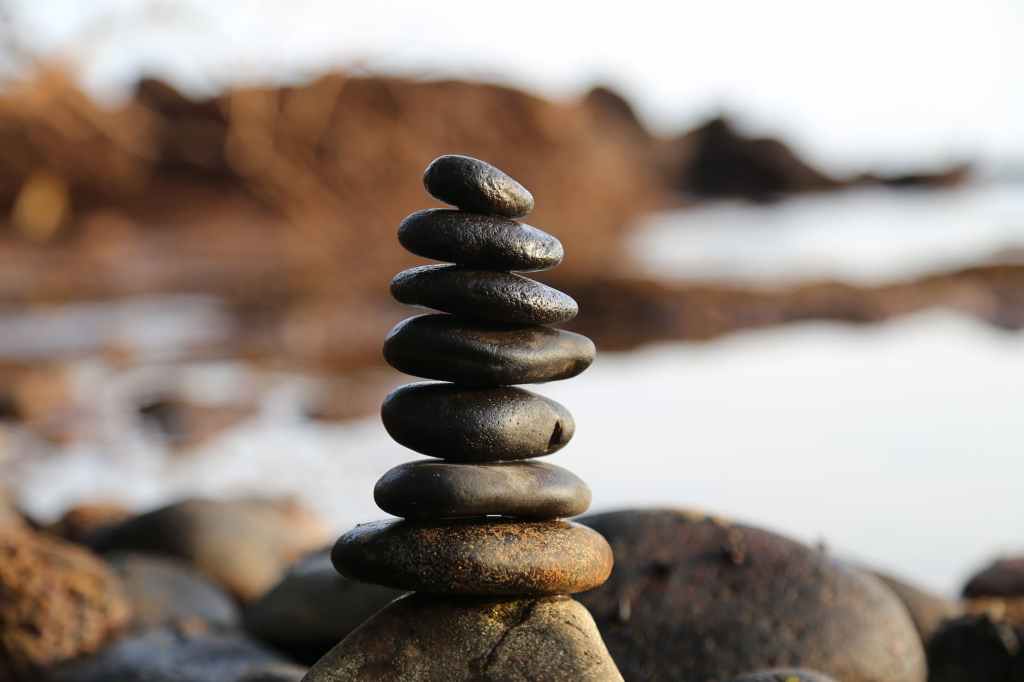
Vata is one of the three doshas in Ayurveda, a traditional Indian system of medicine. It is the dosha that governs movement in the body and mind. When it is in balance, it promotes creativity, imagination, flexibility, and adaptability. However, when it is imbalanced, it can lead to restlessness, anxiety, fear, insomnia, constipation, dry skin, and other physical and mental issues. Let’s explore some practical tools that can help you integrate Ayurvedic practices into your daily life to bring harmony if you’re experiencing a Vata imbalance.
Mind Practice: Aparigraha or non-possessiveness/non-hoarding: The first practical tool to consider is a mind practice called Aparigraha. It is an opportunity to investigate the ways you are attached to narratives playing out in your mind that lead to states of restlessness, anxiety, and fear. Do you notice the connection between particular thoughts arising and how they contribute to particular felt states in the body? If so, you may ask yourself, “How much truth is there to what is presently arising (thoughts, feelings, beliefs, narratives)?” Next, you can begin experimenting with taking a deep exhalation, consciously loosening muscle tension, and practicing letting go of the grip and constriction these experiences produce. Active inquiry & conscious release is the practice of Aparigraha. This practice can help you cultivate awareness and detachment to free yourself from mental and emotional patterns that may be exacerbating your Vata imbalance.
Pranayama (Breathing Practices): In the essence of balancing Vata, one may practice Nadi Shodhana. It is a simple but effective breathing exercise that calms and balances the body and mind. Gently close the right nostril with the right thumb. Inhale slowly through the left nostril. Close the left nostril with the ring finger. Lift the thumb and exhale soothingly down the right nostril. Inhale back up the right nostril. Switch to exhale left. Repeat for 5-10 rounds. This practice helps calm the mind, soothe the nervous system, and bring balance to the energy channels or nadis. Practice it regularly to experience its benefits.
Meditation: Nervousness, tension, and anxiety the mind of those with Vata imbalance often lacks focus and is easily distracted by subconscious thoughts which causes the mind to wander aimlessly. One of the best and proven tools to cultivate focus, awareness, and calmness is meditation. The anecdote for this can be a practice of both mantra & mudra meditation. For this practice, choose a simple mantra such as ‘Om’ or ‘So Hum,’ and sit in a comfortable position in a quiet place. Close your eyes and take a few deep breaths. Then, start chanting your chosen mantra either silently or out loud, and simultaneously hold a mudra, or hand gesture, such as Gyan mudra, which connects the index finger and thumb. This practice helps you go beyond the monkey mind and access deeper levels of awareness, peace, and clarity.
Yoga: Yoga, the sister science of Ayurveda, is also an effective way to balance Vata. However, the yoga practice needs to be gentle, grounding, and nourishing rather than fast-paced, intense, or challenging. Some of the yoga poses that can help balance Vata include forward folds, seated poses, standing poses with a focus on grounding and stability, and twists. These poses help stretch and strengthen the muscles, calm the mind, and improve digestion and elimination.
Self-Care: Finally, self-care is an essential tool to balance Vata. Make sure to prioritize self-care activities that help calm and soothe your mind and body. Some of the things that you can do include taking warm baths with essential oils such as lavender or chamomile, getting regular massages with warm oil, spending time in nature, having a warm cup of tea, or just resting. It is crucial to give yourself permission to slow down, rest, and recharge to bring balance to your Vata.
If you’re experiencing Vata imbalance, integrating these practical tools can help you find harmony and balance in your daily life. Remember to practice them regularly and with patience, awareness, and self-compassion. By taking care of your mind and body, you can experience greater well-being and vitality
 Michelle Berry